
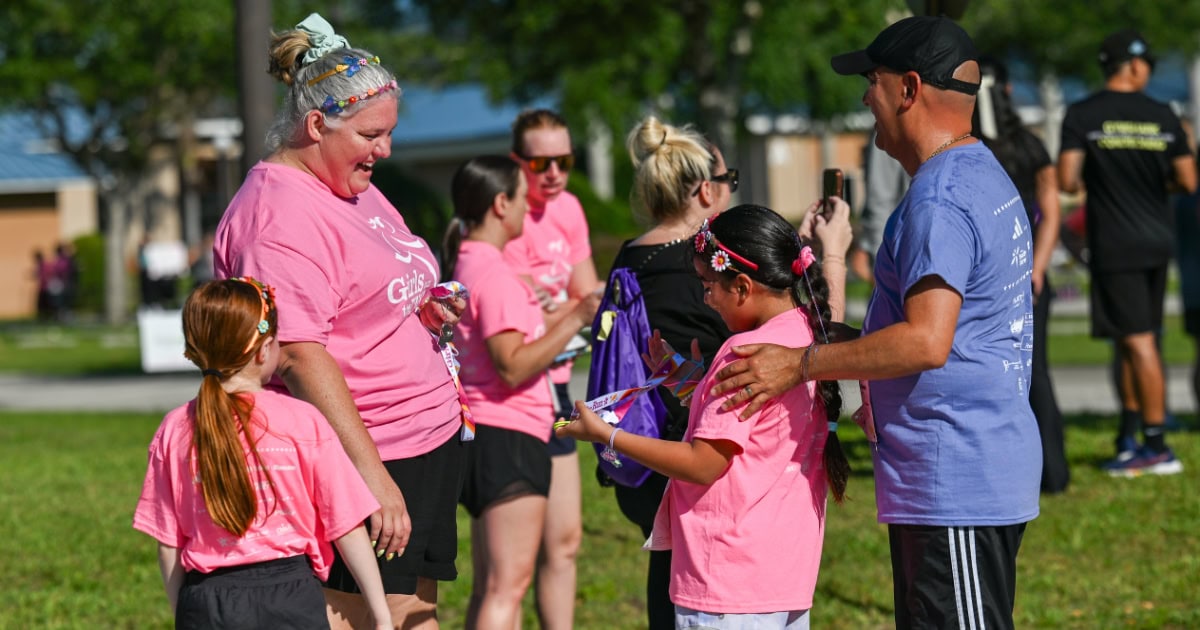
Real people. Real moments. Real stories.
Lately, I’ve heard similar conversations taking place in many different creative circles. As artificial intelligence continues to evolve, what does it mean for photographers, artists, and others whose work is rooted in creativity and human experience?
It’s an interesting discussion, and one that has me thinking about the importance of authentic photography, particularly in the nonprofit world.
After more than 25 years working in nonprofit leadership and fundraising, and now as a professional photographer, I’ve experienced storytelling from both sides.
I’ve seen firsthand how a photograph can bring an organization’s mission to life in ways that words and statistics sometimes cannot.
It’s the volunteer offering a reassuring hand. The joy on someone’s face when they accomplish something they never thought possible. The laughter between participants at a community event. Or the quiet dedication of someone working behind the scenes.
These aren’t always the moments anyone planned to photograph. Often, they’re the ones that tell the most meaningful stories.
And they’re real.
The Human Experience Behind the Lens
When I photograph an event or an organization’s work, I’m doing more than documenting what happens. I’m observing, listening, connecting with people, and anticipating the moments that might otherwise go unnoticed.
AI can generate a beautiful image. It can create convincing expressions, dramatic lighting, and an emotionally compelling scene.
But it wasn’t there.
It didn’t witness the interaction, experience the emotion, or connect with the people whose stories deserve to be told.
And for nonprofits, I believe that distinction matters.
Authentic Photography Builds Trust
Nonprofits depend on trust. They ask donors, volunteers, and community partners to believe in their mission and invest in their work.
Authentic photography offers a glimpse into what that support makes possible. It introduces us to real people, real experiences, and the impact an organization is making in its community.
A generated image might communicate the idea of compassion, hope, or community. But a photograph of an actual moment shows those things happening.
That’s a meaningful difference.
Of course, authentic storytelling also comes with responsibility. The people we photograph deserve dignity, respect, and appropriate consent. Their stories should be shared with care.
Embracing Technology Without Losing Authenticity
I’m certainly not suggesting we should avoid AI. It offers tremendous opportunities to work more efficiently, develop ideas, and communicate in new ways.
But as we embrace these tools, I hope we don’t lose sight of the value of genuine human connection.
Because there’s a difference between an image that represents a story and a photograph that actually witnessed it.
AI can help us tell stories. But it cannot replace the human experience that makes those stories worth telling.
At JJ Photo Gallery, I believe in preserving those real moments—the expressions, interactions, and unexpected connections that reveal the heart of an organization’s mission.
Having spent much of my career in the nonprofit world, I understand how important it is to share those stories with authenticity, compassion, and respect.
If your organization is looking to capture the people and moments behind its mission, I’d welcome the opportunity to connect.