
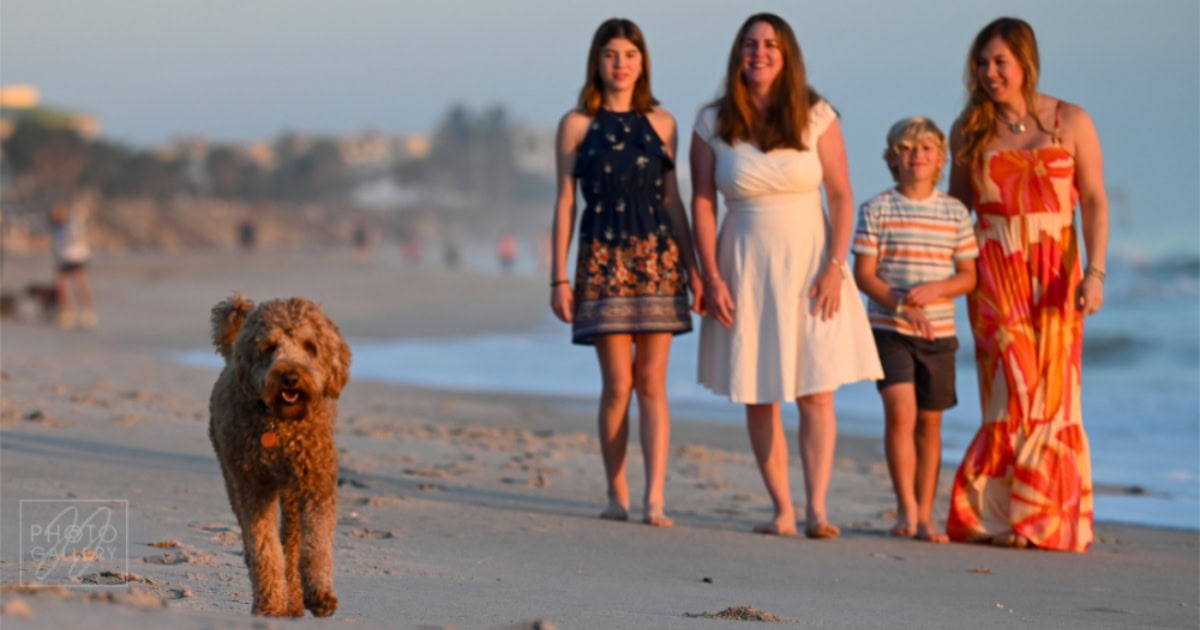
Bare feet press into cool sand. The wind tugs at loose hair, and the waves keep time in the background like a steady drum. This is why families love beachside family portraits in Vero Beach. The mood is relaxed, the light can be kind, and kids have room to move without feeling trapped in a studio pose.
At the same time, the beach has its own attitude. Wind can whip bangs into faces, glare can make everyone squint, and sand ends up everywhere. The good news is you don’t need a perfect plan; you just need a smart one.
This guide walks through easy planning, what to wear, the best timing, and simple ways to keep kids happy so your photos look natural and feel like your family, not a performance.
Plan the beach photo session so it feels easy, not stressful
A beach family photo session goes best when you decide a few things early and then stop overthinking. Think of it like packing for a day trip. You’re not moving in; you just want what you need so everyone can show up calm.
Start with a clear goal. Do you want playful images with movement, or more classic posed portraits for holiday cards and frames? Tell your photographer (or the person taking photos) what matters most. When expectations are clear, the session runs more smoothly.
Next, build a buffer. Arrive 15 to 20 minutes early so nobody is sprinting across the sand, out of breath, with a toddler already annoyed. If you have little kids, plan the session around their best window, not your ideal schedule. A well-rested child beats a perfect timeline every time.
Also, keep your plan intentionally simple. Pick one main area to shoot in, then maybe one nearby “bonus” spot. Too much walking, too many props, or too many outfit changes can turn a fun evening into a string of negotiations.
Pick the best time and tide for soft light and fewer crowds
Light is the quiet hero of beachside family portraits. Early morning and late afternoon usually give the most flattering look because the sun sits lower. The light feels softer, shadows look gentler, and everyone’s eyes stay more relaxed.
Midday sun is harsher. It creates deep shadows under the nose and brows and forces people to squint. If midday is your only option, look for open shade near dunes, tall cliffs, or a pavilion, then keep the session short.
Tide matters too. A quick tide check can save the day. At low tide, you often get wider, firmer sand and more space to spread out. It can also provide a clean, open background and a safer area for kids to run without being pulled toward the waves.
If you can, aim for a weekday or an off-season date. Fewer people in the background make your photos feel calmer and more timeless.
Choose a beach location with clean backgrounds and easy access
Not all beaches photograph the same. Some have bright umbrellas packed tight, some have rocky edges, and some have wide, open sand that looks like a blank canvas. Choose a spot that makes it easy to focus on faces, not distractions.
A quick checklist helps:
- Parking close by: Long walks are tough in nice clothes, especially with small kids.
- Bathrooms nearby: This is peace of mind, plain and simple.
- Shade options: Dunes, a wall, or even sparse trees can help if the sun is strong.
- Natural variety: Dunes, sea grass, rocks, or a driftwood area can add texture fast.
- Away from boardwalk traffic: Less clutter, fewer stares, fewer surprises.
If possible, scout the beach at the same time of day as your session. You’ll see where the sun drops, where the wind hits hardest, and where the background looks clean.
Keep safety in the plan. Watch for steep drop-offs, slippery rocks, and strong waves. When children are near water, set a clear boundary early, then let them play within it.
What to wear for beachside family portraits (and what to leave at home)
Outfits set the tone, but they shouldn’t steal the show. The best clothing for beachside family portraits looks good in motion, feels comfortable in heat or wind, and doesn’t make anyone spend the whole session tugging or adjusting.
Start by thinking in “family color harmony,” not matching uniforms. You want everyone to look as if they belong in the same photo, not as if they’re wearing the exact same white shirt. Pick two to three main colors, then mix shades and textures.
Also, plan for wind. If the breeze is strong, stiff outfits can puff out in odd ways. Softer pieces move better and look natural against the sea.
Colors and fabrics that look great in the sun and wind
Soft tones tend to complement sand and sky. Cream, light blue, sage, dusty pink, tan, and soft gray are easy on the eye and don’t compete with the background. They also help skin tones look warm and even in bright light.
Breathable fabrics photograph well because they drape rather than cling. Linen, cotton, and gauze have a relaxed look that fits the beach without trying too hard. A flowy dress or a loose button-down can catch the wind in a way that feels alive.
Add light layers for texture. A thin sweater, an open shirt over a tee, or a simple wrap can give depth without bulk. Layers also give you a quick option if the temperature drops near sunset.
Avoid these common outfit problems: big logos, tiny stripes, and extra fuss
Some clothing pulls attention away from faces fast. Neon colors can reflect onto the skin. Big brand logos and loud graphics turn your family portrait into an ad. Heavy patterns can overwhelm the scene, especially when the ocean already adds movement and detail.
Tiny stripes can also cause a strange camera effect that looks wavy or flickery. If you love stripes, go wider and softer.
Footwear matters more than people expect. Bare feet are classic for beach family portraits, and sandals work well, too. Skip socks if you can; they collect sand and look messy fast. Bring a towel for quick foot wipes and a simple “shake-off” before you step onto a blanket or head back to the car.
How to get natural, happy photos even if kids melt down
Kids don’t ruin sessions, pressure does. The beach is already a big sensory place, with bright light, salty air, wind, and a horizon that seems to go on forever. If a child has a meltdown, it doesn’t mean the photos are doomed. It usually means they need a reset.
Aim for connection, not perfection. The photos that land best are often the in-between ones, a hand squeeze, a laugh that wasn’t planned, a parent brushing hair from a child’s face.
Give kids small jobs. Ask them to “lead the way” to the waterline, pick the best shell, or show you the softest sand. Simple roles keep them engaged and proud.
Simple prompts that turn stiff posing into real moments
Posing can feel like holding your breath. Prompts feel like living. Use actions that create natural expressions:
Walk hand in hand along the waterline, slowly and closely. Race to the waves and back, then gather in for a quick cuddle. Sit on a blanket and let kids climb into your lap. Whisper a secret into someone’s ear and watch the smiles appear. Spin a child once, then set them down and pull them into a hug. Look for shells together, heads close, eyes down, hands busy.
Movement helps adults, too. It shakes off “camera face” and brings out real energy. If someone gets frustrated, pause. Take a breath, sip water, and start again with an easy prompt instead of forcing smiles.
Bring a small “beach portrait kit” for quick fixes
A tiny kit saves time and mood. Keep it simple and neutral so nothing bright reflects onto faces.
- Water and a non-staining snack
- Wipes for hands, faces, and sandy knees
- Hair ties or clips (wind will win anyway)
- A neutral towel or blanket for sitting shots
- Sunscreen is applied early, so the skin doesn’t look shiny
- A change of clothes for little kids (wet happens)
Brush hair before you start, then let it be a little wild. Beach photos may depict the beach.
One more tip for parents: keep phones out of reach and keys in one bag. When your hands are free, your shoulders drop, and the whole group relaxes.
My Final Thoughts
Great beachside family portraits come from a few steady choices: plan around soft light, check the tide, pick an easy-access spot, and keep outfits simple and comfortable. Then let the session breathe. Use gentle prompts, allow movement, and treat meltdowns as a short detour, not the end of the story.
The best part is that the beach doesn’t ask for perfect hair or spotless clothes. Sandy feet and windblown strands can be part of the memory you’ll want to keep. Pick a date, choose a beach, plan around the light, or reach out to us and ask about tides and timing, then show up ready to be together.