
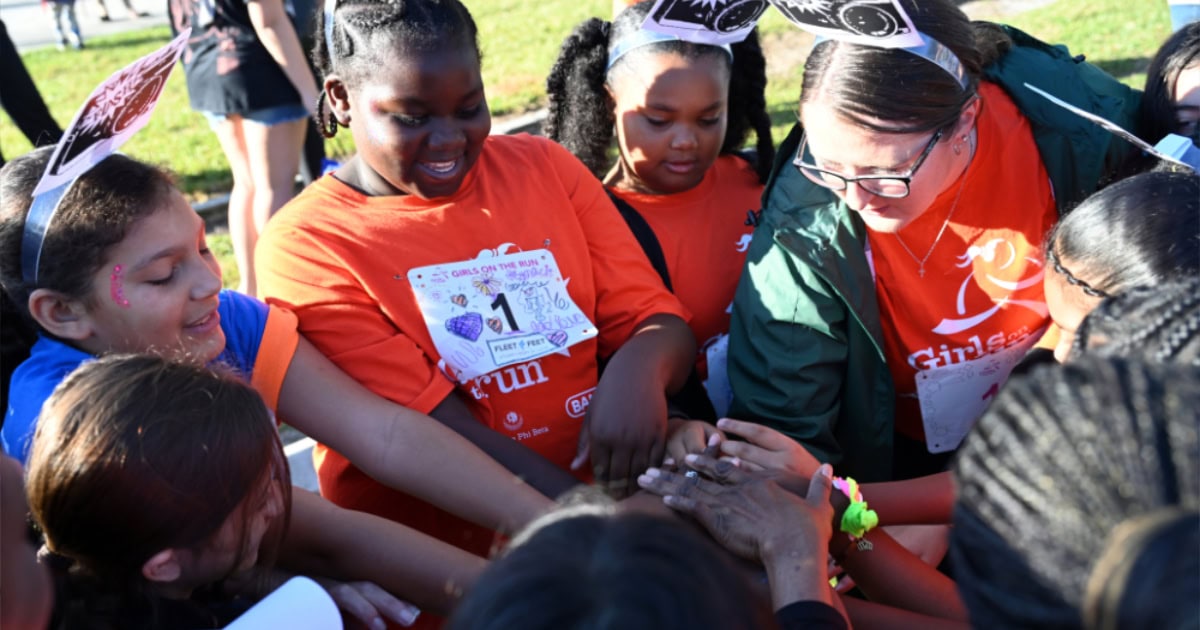
The first thing you hear at a street fair is usually the sound of small talk and paper bags rustling. Then you notice the details: a kid with face paint, a volunteer taping up a sign, a local band tuning up under a pop-up tent. Those moments pass fast, and they’re easy to miss if you’re juggling gear and guessing what happens next.
Community event photography is about showing what a town like Vero Beach feels like on a real day, not a staged one. It helps organizers raise money, helps sponsors see the value of their support, and gives families a record they’ll actually look back on. It also becomes local history, one candid smile at a time.
This guide keeps it simple: plan before you arrive, shoot the moments that matter, then deliver photos in a way that earns trust.
Plan before you show up, so you can stay present
Good event photos don’t come from rushing. They come from walking in with a calm plan, so you can watch people rather than the camera screen. A little prep also makes you easier to work with, which matters when volunteers are tired and schedules shift.
Start with the basics. Ask where to park, where to store a small bag, and who can answer quick questions on-site. Get the event start and end time, plus any “doors open” window when people arrive, and energy is high. If there’s a sponsor wall, donation table, or raffle booth, note it. Those photos often pay the bills.
Keep a light checklist in your head so you don’t forget the simple stuff:
- Confirm the must-have moments (and when they happen).
- Ask about photo rules (kids, schools, sensitive spaces).
- Plan your first 10 minutes (wide shot, signage, key volunteers).
- Set expectations for delivery (highlights fast, full set later).
When you handle these details early, you’re free to be human at the event. You can say hi, learn names, and blend in, which is when the best photos happen.
Get the story of the event, not just the schedule
A schedule tells you what happens. A story tells you why it matters.
Ask the organizer what the event supports. Is it a fundraiser for a food pantry, a school festival, a cultural celebration, or a memorial run? That purpose changes your photos. A charity walk needs community and emotion. A school concert requires pride, effort, and parental support.
Get a short run-of-show and a simple map, even a phone screenshot is fine. Then ask four quick things: the must-have moments (ribbon cutting, awards, performances), the key people (mayor, coach, lead volunteer, sponsor rep), the visual anchors (banner, mascot, stage, finish line), and any sensitive areas (shelters, medical tents, kids with restricted photos). When you know the story, you stop spraying photos and start building a clear set.
Pack light but ready (gear that actually helps)
Community events reward mobility. One camera body is sufficient for most jobs, provided it’s reliable. Bring two lenses if you can: a wide or standard lens for the scene, and a short telephoto for faces and moments across a crowd. Add extra batteries and cards, because you don’t want to ration clicks when something sweet happens.
A small flash helps for indoor booths, dark gyms, or evening award tables. Keep a microfiber cloth for dusty parks and sticky fingers, and bring a rain cover or even a clean plastic bag. Wear shoes you can stand in for hours.
Before you leave, do a quick camera check: sync the time, set file format, set a reasonable Auto ISO limit, and turn on silent mode if you’ll be near performances or speeches. These small steps save you from fiddling while the best moment passes.
Shoot the moments people will talk about later
At a farmers’ market, the story isn’t just produce. It’s the vendor handing over change, the regulars chatting, the little sign that says “first of the season.” At a school play, it’s not only the stage, but it’s also the kid peeking through the curtain and the parents’ wet-eyed smile.
Community event photography works best when you cover three layers at once: the big scene, the human connection, and the small details that prove you were there. You’re also working around real people who may not want a camera in their face. Respect isn’t a bonus; it’s the job.
Use a simple shot list that covers the whole story
A shot list shouldn’t feel like homework. It should feel like a path through the event. Think of four types of photos:
- Wide scene-setters: the entrance, the crowd, the street, the stage, the starting line.
- Mid-range interactions: volunteers helping, families buying tickets, teams warming up.
- Close-up details: signage, hands stamping wrists, donation jars, face paint, and medals.
- Peak moments: ribbon cutting, award handoffs, first dance, finish-line hugs.
Get one clean group photo early, before people split into errands and conversations. If it’s a parade, grab a wide shot that shows the route, then step to the side for faces as groups pass. If it’s a charity run, photograph the start, the mid-course energy, and the quiet relief after the finish.
Work with real light, and know when to add flash
Outdoor midday sun can make eye sockets look dark and harsh. Look for open shade near a building or tree line, and bring people there for quick portraits. If shade isn’t possible, turn your subjects so the sun is behind them, then expose for their faces. A subtle backlight can make hair glow and hide squints.
Indoors, mixed lighting can make skin appear green or orange. Choose one dominant light source whenever possible. If the room is mostly warm bulbs, lean into that and keep the color consistent. Auto white balance can work well, or try a simple preset and adjust later if needed.
For evening events, raise ISO and steady your hands. Use a wall, railing, or post as a brace. If you use flash, keep one rule: bounce when you can, and keep it gentle. Don’t blast faces up close, especially with kids.
Photograph people with care (especially kids and vulnerable groups)
Trust is the real access pass. Many events have a posted photo notice, wristbands for no-photo guests, or a list of kids who can’t be photographed. Ask about these rules before the day starts, then follow them without debate.
For close-ups of children, it’s smart to ask a parent or guardian, even if the event is public. If someone says no, thank them and move on. Also, avoid photos that could embarrass someone later, spills, tantrums, and awkward mid-bite shots. Aim for joy, teamwork, focus, and pride.
Candid tip: stay near the action and shoot from the side, not head-on. People relax when you aren’t blocking their path. Keep moving, take a few frames, then lower the camera and let the moment continue.
Deliver photos fast, keep trust, and make your work easy to use
The event ends, but your value shows up in the follow-through. Organizers often need images while the excitement is still fresh, sometimes for next-day posts, sponsor thank-yous, or a local paper deadline. If delivery feels messy, they may not hire you again, even if the photos are great.
Set a clear timeline. A small highlight set within 24 to 48 hours keeps momentum. The full gallery can come later, as long as you communicate. Make it easy to download, credit, and search.
A quick editing flow that keeps faces looking real
Back up first, before you touch anything else. Then cull hard. Keep the frames clear, body language clean, and emotion real.
Your edits can stay simple: crop and straighten, fix exposure, tame harsh highlights, and add mild color correction. Use light noise reduction and sharpening, and keep skin tones natural. Many clients prefer honest color over a heavy style.
Create two sets whenever possible: web-size files for sharing and full-size files for print. Name files by event and date (like “Vero Garden Fest_2026-02_001”) so a volunteer can find them later without guessing.
Share in a way that helps the community, and helps you get hired again
An online gallery with downloads works well for most community groups. A shared folder is fine too, as long as it’s organized. Include a small “highlights” album that tells the story from start to finish, not just a pile of random favorites.
Add a short usage note in plain language: where they can post, whether they can crop, and how to credit you. If sponsors matter, include a few ready-to-use captions and remind the organizer to tag partners. For press requests, provide a handful of high-resolution images with clear file names and basic captions (who, what, where).
After delivery, ask for a short testimonial and permission to use a few images in your portfolio. Keep it low-pressure. If your work helped them, most people are glad to say so.
Grab your camera and go shoot
Community event photography runs on three simple stages: plan so you’re calm, shoot the story with respect, then deliver quickly and cleanly. When you do it right, your photos don’t just show a crowd, they show care, effort, and belonging.
Before your next local event, write a small shot list with wide, mid, detail, and peak moments. Then practice one skill on purpose, a strong scene-setter, a gentle bounced flash indoors, or respectful candids from the side. The community will feel seen, and that’s the point.