
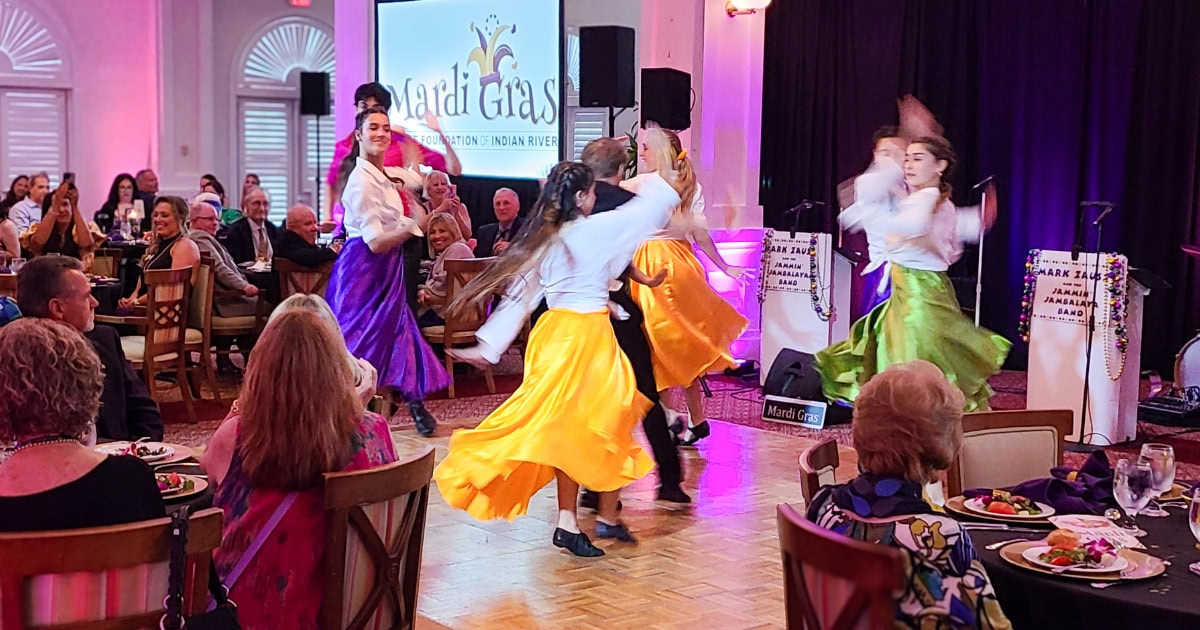
The ballroom lights dim, a speaker steps onstage, and a hundred phones rise like fireflies. At the same time, the CEO’s handshake at the sponsor wall happens in a blink, and the best photo of the night is gone if nobody’s ready.
That’s what event photography trends for 2026 are responding to. Clients want quick delivery, honest moments, and visuals that work everywhere, from a website banner to an Instagram Reel to a press release.
The good news is that the trends aren’t just about “style.” They help hosts and brands squeeze more value out of every event by planning the look, shot priorities, and final deliverables before doors open.
The look is shifting, less stiff poses, more story, more texture
In 2026, the most requested event photography style feels less like a yearbook and more like a short film told in stills. Brands still need clean images of speakers, sponsors, products, and signage, but they also want the atmosphere: the room’s glow, the movement of people, and the small reactions that show the event had energy.
Texture is a big part of it. That can mean grain that feels intentional, richer shadows, and color that matches the venue instead of fighting it. It can also mean mixing wide scene-setters with tight details, like hands holding programs, a close-up of a name badge, or a laugh caught mid-turn.
This look fits conferences, galas, grand openings, and weddings because it doesn’t try to make real life look perfect. It tries to make it feel true.
Flash is back (but softer), bold color, and a “nightlife” feel for indoor events
On-camera flash has made a comeback, but not the harsh, washed-out kind. Photographers are using flash with bounce, diffusion, and better control, so skin tones stay clean and the image stays crisp.
This style works best in dark venues where ambient light is weak or uneven, such as ballrooms, clubs, charity fundraisers, and trade shows with mixed booth lighting. The flash freezes motion, keeps details sharp, and brings back color that would otherwise turn muddy.
A quick field tip that saves backgrounds: don’t let the flash do all the work. Bring in more ambient light so the room still reads well. Use a slower shutter speed, slightly higher ISO, then add just enough flash to lift faces. The goal is a photo that still captures the stage lights, uplighting, and the overall mood.
Editorial-style candids, real laughter, real movement, and fewer “look here” moments
Editorial candids aren’t random snaps. They’re the in-between frames that feel personal, like a hug after an award, the second someone recognizes an old friend, or a quiet breath before walking onstage.
In 2026, photographers are directing with a lighter touch. Instead of “everyone stare at the camera,” it’s “walk and talk,” “toast toward the table,” or “turn to the person who brought you.” People keep moving, and the photos feel alive.
Comfort matters too. A good event photographer reads the room, gives guests space, and avoids pushing into private moments. Accessibility is part of that. Clear paths, respectful distance, and awareness of sensory overload help more guests feel at ease, and it shows in their faces.
Deliverables clients expect now: same-day speed, vertical video, and content that sells
A strong gallery still matters, but in 2026, most clients hire event coverage for what happens after the event. Marketing teams want content that can fill a homepage slider, support an email blast, power a week of social posts, and satisfy sponsors.
Think of it like packing leftovers. You don’t want one huge container you’ll never finish. You want portions that are ready to use.
For a grand opening, that could mean a quick recap set, owner and customer moments, product shots, and a few images that clearly show the storefront and signage. For a conference, it’s speaker highlights, crowd shots, sponsor booths, and photos that show real engagement, not empty chairs.
Vertical-first coverage, short clips, photo plus video bundles, and “one event, many edits.”
Vertical content (9:16) isn’t a trend anymore; it’s the default for Reels, Shorts, Stories, and many paid ads. In 2026, event coverage often includes a mix of still photos and short video clips captured alongside them, even if the final deliverable is “mostly photo.”
The best results come from shooting with intent. Capture a few wide vertical scene-setters, then move into tight reaction shots: hands clapping, signage, food-and-drink details, and quick clips of speakers entering or crowds responding. Those 5 to 10-second clips become gold for recap edits.
Audio is a bonus, not a burden. Clean sound from a speaker line-out or a simple mic setup can turn a nice clip into a usable highlight for LinkedIn and website pages. Even one strong quote, paired with a close-up and a crowd reaction, can sell next year’s tickets.
Smart tech and smart planning, AI helps, privacy matters, and trust wins bookings
Tech is helping photographers work faster and more consistently in 2026, but the biggest shift is trust. Hosts want to know their photos will look right, arrive on time, and stay brand-safe.
That trust starts before the event. Coverage runs more smoothly when the photographer understands the run of show, knows who matters most, and has a plan for sponsor obligations. It also means being clear about where images will be stored after delivery and who can access them.
AI-assisted culling and editing, more consistency, fewer mistakes, and clearer style control
AI tools are becoming a quiet assistant, not a replacement. They help sort thousands of frames, flag blinks, group duplicates, and find the best expressions faster. That saves hours and reduces the risk of missing a key moment buried in a long sequence.
AI also helps maintain color consistency across varying lighting conditions, which is one of the most challenging aspects of indoor event photography. Ballroom tungsten, DJ LEDs, stage spots, and window light can all clash in the same hour.
The human eye still matters for final picks, natural skin tone, and brand color accuracy. A logo that shifts hue or a face that looks plastic can hurt credibility fast. The best teams use AI for speed, then finish with care.
Privacy, consent, and brand-safe coverage: what hosts should ask for in 2026
Privacy questions are more common now, and that’s a good thing. Hosts should think through consent and expectations before cameras start rolling.
Simple steps help: signage at entrances that notes photo and video capture, wristbands or opt-out options when needed, and extra care around kids, medical devices, and visible name badges. For corporate events, it’s also smart to confirm whether any attendees can’t be photographed due to HR or security policies.
Brands should also ask how images will be stored, how long they’ll be kept, and who can access them. A clear answer builds confidence, and it protects everyone involved.
A Few Last Thoughts
Event photography in 2026 rewards the photographers who plan early and shoot with purpose. Pick a look that matches the vibe, define the deliverables your marketing actually needs, and set expectations before the first guest arrives.
A simple shot list goes a long way: people, products, branding, speakers, sponsors, and the honest moments in between. When you cover all of it, you don’t just get memories; you get content that supports web pages, SEO, press, and post-event campaigns.